Meeting of Founders and Members of the Association for Spiritual Integrity Transcript
Meeting of Founders and Members of the Association for Spiritual Integrity
Summary
Spiritual teachers discuss how to build a more ethical, supportive, and inclusive spiritual community. They identify practical ways to address power dynamics, teacher development, gender balance, and access to teachings.
Questions This Interview Explores
- How can spiritual teachers build accountability and trust with students?
- How can spiritual teachers navigate power dynamics and boundaries?
- What kinds of peer support and ongoing growth help spiritual teachers?
- How can spiritual communities become more inclusive and accessible?
Key takeaways
- Ethical teaching requires transparency, accountability, and ongoing personal growth.
- Teachers can address power imbalances by naming them and checking in about emotions and expectations.
- Peer relationships help teachers reduce isolation and support one another’s development.
- Spiritual communities can widen access through affordable online offerings and stronger outreach.
- Making room for women’s voices and diverse perspectives can help balance spiritual communities.
Transcript
My name is Caverly Morgan. And we spoke quite a bit about power and women, touched a little bit on people of color. But I specifically feel committed in this moment to supporting myself and other white-identified teachers with seeing what work is ours to do, so that as we talk about inclusivity we’re being a space that can actually do that and own, do the work that’s ours to do.
 Rick: Welcome to Buddha at the Gas Pump. My name is Rick Archer. I won’t elaborate on what Buddha the Gas Pump is. But what I would like to say is that we’re in a rather unusual meeting, the likes of which may never have happened before: a gathering of maybe 30 spiritual teachers who have come for the Science and Nonduality Conference. But we decided to meet before the conference to discuss some of the issues that are dear to the heart of the Association for Spiritual Integrity, which I helped found along with Jac O’Keeffe and Craig Holliday a couple of years ago. Miranda McPherson and Mariana Caplan have since joined our advisors and board of directors. So we’ve had a meeting for the past couple of hours in which we’ve discussed a number of things. And we then broke out into smaller groups to focus more deeply on about five specific topics that had come up during the first couple of hours.
Now we’re back together. And we are going to tape this part of it and offer a little report from a member of each of those five groups as to what was covered in that discussion, and then we’re going to go around the room and everyone is going to give a one-sentence commitment that they would like to carry out into their lives after the conference that was perhaps inspired by the discussion we’ve had today. So I’m going to hand the mic to Marianna.
 Mariana Caplan: I think, Rick, you share the essence of what we’re going to be offering here. But I just want to appreciate that on a day like today, this amount of, you know, gifted, talented leaders chose to spend four and a half hours together. And I think that we really did hear a lot of vulnerability and openness. And we may not have solved the issues, but the, you know, really important themes have been brought forth. And so we will turn it to the spokesperson of each team, and we’ll get the summaries.
 Craig Holliday: So the ASI was founded with the intention of creating greater ethical awareness, and continuing education and professional growth for spiritual teachers. So we saw this need because there were so many wounds within the different spiritual communities. And so we wanted to support this, and so that that’s what this, the ASI is all about: continued education, growth, accountability, transparency, creating a sense of greater integrity within this community, within this community.
 Maja Apolonia Rode: My name is Maja Apolonia Rode. I was in the group that did talk about bringing forth the women and Feminine Empowerment, which was a topic of our previous circle earlier in the day. And I think one particular “aha” that we had was simply to distinguish between women and Yin, for example, yin-style teachings or the yin within each of us, as a way to not exclude men from that conversation and not exclude the fact that men are within themselves dealing with similar issues. And then the action items, the ones related to SAND.
One idea was to have each day of SAND include a three-hour session, led by a woman or women, that wasn’t competing against a lot of other stuff, so that there would be an emphasis to bring in that sacred container for those types of teachings, for, we could say, yin-style teachings, and to bring more of the yin type of teachings onto the website, what’s offered through the SAND website. And one idea was to replace the—to have another kind of gathering where instead of Science and Non-Duality, it’s Yin and Non-Duality, or some other frame of that gathering. And another idea was to have some listservs online, one for women and for, let’s say, yin teachers, that would include a photo and bio of each person so that we start to bring together these different people that are working in those different ways.
And finally, the idea of finding ways that we can support each other in the process of bringing more balance to that. So I hope I did justice to our talk. Thank you.
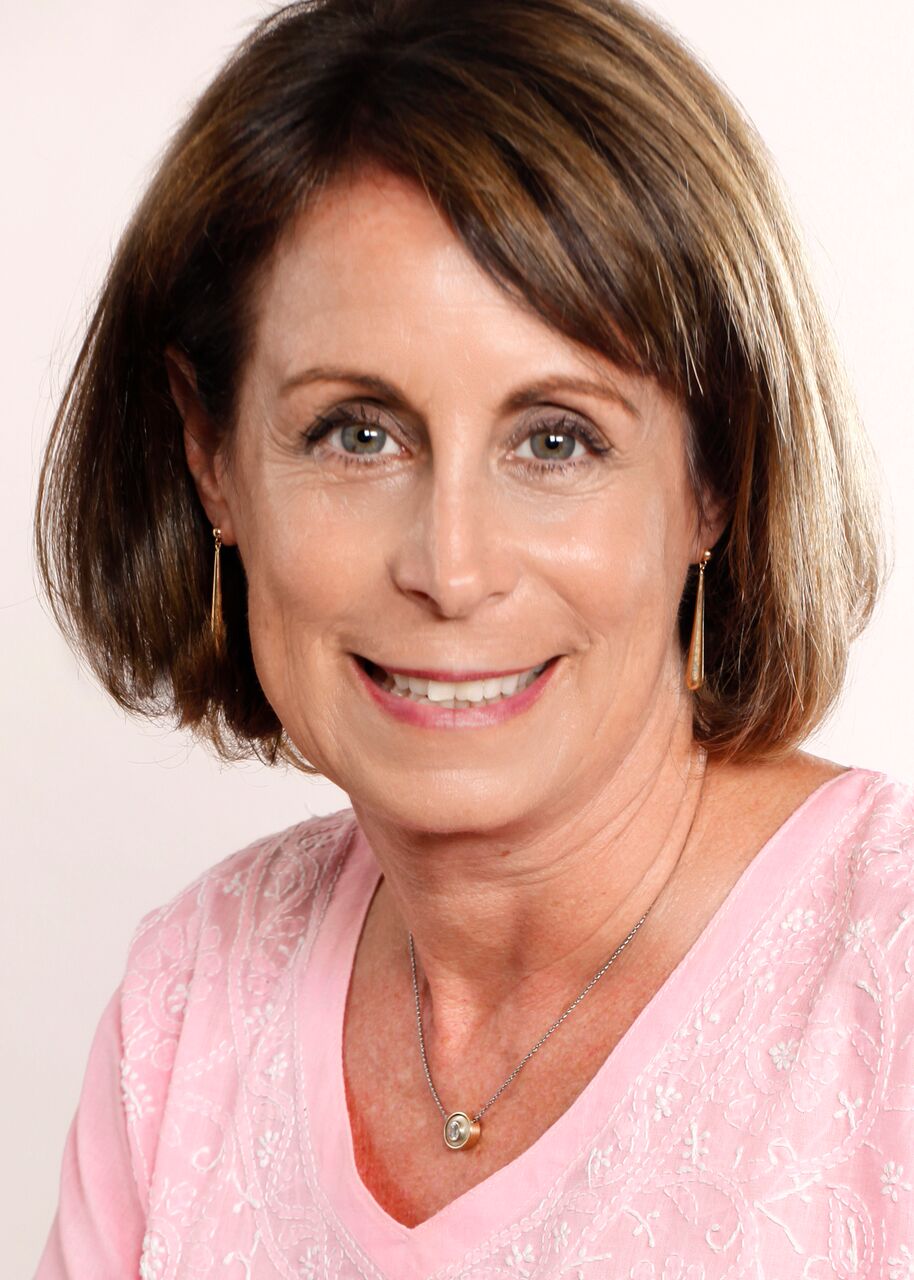 Dani Antman: I’m Dani Atman. Our group was ongoing growth for teachers and continuing education, trauma, attachment, and shadow work. And some of what we talked about was to have a survey of some teachers here about what is working for you best, and put in practices that are working for the teachers around these topics; a group or personal growth council to continue and continue deepening, a group of peers that meets regularly. Some kind of appropriate sharing of our, the depth of our process, our internal work with students in an appropriate way so that they know that we’re doing our work. And a kind of tribal gathering where teachers gather with young, younger teachers, where honesty and vulnerability are in place. And the teacher can be free of the role of the teacher in that place. To talk about the role of the teacher, so on a regular basis.
And then our action was to perhaps have a workshop, even if it’s online, around developmental trauma, which shows up in the teacher role, that all teachers really need to be informed by that. And it could be done as an inquiry model with a kind of questionnaire like you gave us, where the teacher assesses themselves regularly, also where the principles of developmental trauma are taught. And, yeah, these are two separate things. One is the online teacher assessment that a teacher can go online and assess themselves on a regular basis around some of the things you had us do, and perhaps a longer list. So that’s about it.
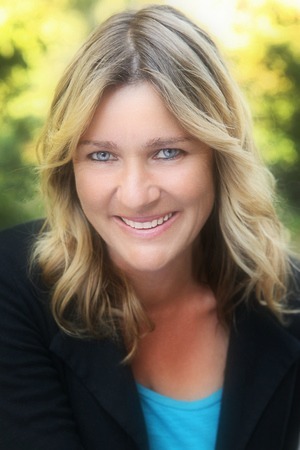 Nicola Amadora: Our group is about creating community and peer support. We had two areas that we covered. One was creating more support among spiritual teachers. And the other area was how do we include disenfranchised people of color, young people, much more into the spiritual community that is presently very white and middle class. So the one area, the action items, we decided we would like to move forward with IAS, would be to have a meeting, possibly once a month, for spiritual teachers to have a peer group online. It could be also that we have it in, just like now before SAND, as a meeting together.
And it could be also that we have a listing where we could contact each other, like through Facebook, have a closed group together, so that we have a much more substantial support, that we can not only support each other, but also hold each other accountable, run things by each other, and bring up issues that come up as a spiritual teacher. The second part was that our action item is to do with how do we include more people of color and young people in our community here, and we raised the issue that it has to do a lot with financial—the financial situation. And so one idea was to create a webinar or to create, let’s say, more online [offerings] that would allow a whole group to be established by people who are young, who want to practice together but maybe can’t afford the expensive retreats.
And so that we would possibly offer that to bring more people in and also to create more community among each other. So we can refer people to each other, is to have a referral listing in ASI where your name is in there and then you specifics of what you offer, in which area you work and what price range. Do you offer scholarships? Do you work particularly with older people or younger people? So that we really bring a variety in and that we know of each other. Thank you.

Sean Murphy
Sean Murphy: I’m SeanMurphy, and our group was healthy power dynamics and dual relationships. And we seemed to end up mostly talking about the difficulties with dual relationships and power dynamics. Our insights were: people will come and go from spiritual training groups, and we should remember not to take things personally necessarily. Although it may be our fault, in which case we should take it personally. And, to end, that there should be a balance between accountability and “it’s their stuff.” Somewhere in between there’s a balance point. And it was pointed out that we might have an expectation that people should stay. And what about individuation? What about people moving on in the way teenagers move on? Etc. And can we head off some of these issues by warning, or saying something about it in advance, or creating an agreement in advance?
Our action items were, as the person in power, perhaps we could—we should name the power dynamic and the fact that emotions and triggers can come up, and make an agreement that people can play different roles, or will be playing different roles, and a regular check-in on emotions and triggers on some sort of regular basis.
Our action items were, as the person in power, perhaps we could—we should name the power dynamic and the fact that emotions and triggers can come up, and make an agreement that people can play different roles, or will be playing different roles, and a regular check-in on emotions and triggers on some sort of regular basis.
Kumi Ueki: Yes, my name is Kumi, and we talked about the ethics of the spiritual community. And I suggested that we should have something like BBB, Better Business Bureau, for the spiritual community. This bureau won’t—we’ll just keep the data, will not say this is good, this is wrong, but just keep the data and make a poster and send it to all ashrams. And if something happens, this person who got abused can contact this place. And this bureau will just keep the data. That was my idea.
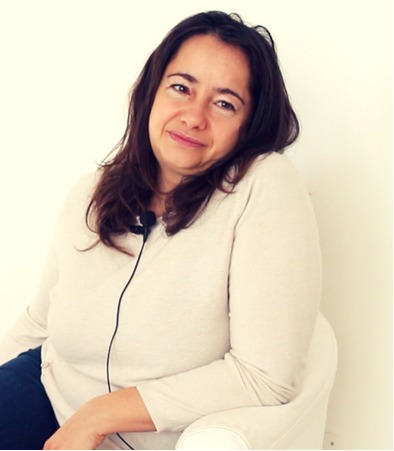 Shakti Caterina Maggi: My name is Shakti. We spoke about ethical behaviors and possible action. And we spoke about the importance of having awareness of misbehavior of teachers and guides. And also we spoke about another tendency, that there can be witch-hunting and spiritual persecutions based on projection. And both things are true, and I think who has been a teacher knows how many times to receive projections and how many times they’re based maybe on interpretations. And I always said, we also know how many times real things happen. And we agreed that what is important is growing awareness on the subject, maybe doing even a conference about this, making a summit about this. So there is more awareness in the seekers, in the students, and in the teachers that certain behaviors are not approved.
And in this way, you know, maybe people that have some misconduct will know that the tendency is not in this direction, where maybe in the past there was more hidden consensus or not speaking about it. So that’s it, like growing awareness and the practical idea.
Personal and Professional Commitments
Mariana Caplan: Thank you. So here’s the time where we get to see and hear and feel each other one more time. And it’s going to come in the form, as I said, of a commitment. And I’d like to just invite people to deeply consider right now, as you may have been in the last while, some authentic commitment that will be either personal or professional. Not both today, but I’m going to speak first, so I will model that it’s going to be a sentence and pass it along this way. And I think that there is a lot of power in this. So I really want to invite us into our bodies and into our receiving of each other and supporting each other in our commitments and really making space for us to bring that forth and stand by. So my name is Mariana Caplan.
And I commit that wherever I’m asked to speak or teach, I bring forth the importance of the feminine and women’s voices, which is totally inclusive and respectful of men as well.
And I commit that wherever I’m asked to speak or teach, I bring forth the importance of the feminine and women’s voices, which is totally inclusive and respectful of men as well.
Craig Holliday: I’m Craig Holliday. I’m just realizing that I give and give and give as a father, a teacher, as a therapist. And I’m committing to spending some time in silence and just being alone. And just letting it all unravel, and to take care of this inner child within me.
 Peta Morton: I’m Peta Morton, and I commit to collaborating with and empowering, giving a voice and a platform to more women.
Sasha Marceau: I’m Sasha Marceau, and I commit to exploring my shadow in an ongoing way and to helping to birth new humanity.
Deborah Cohen: My name is Deborah Cohen, and I commit to—I’ve been offering shadow groups to a lot of people—I commit to offering shadow groups to spiritual teachers.
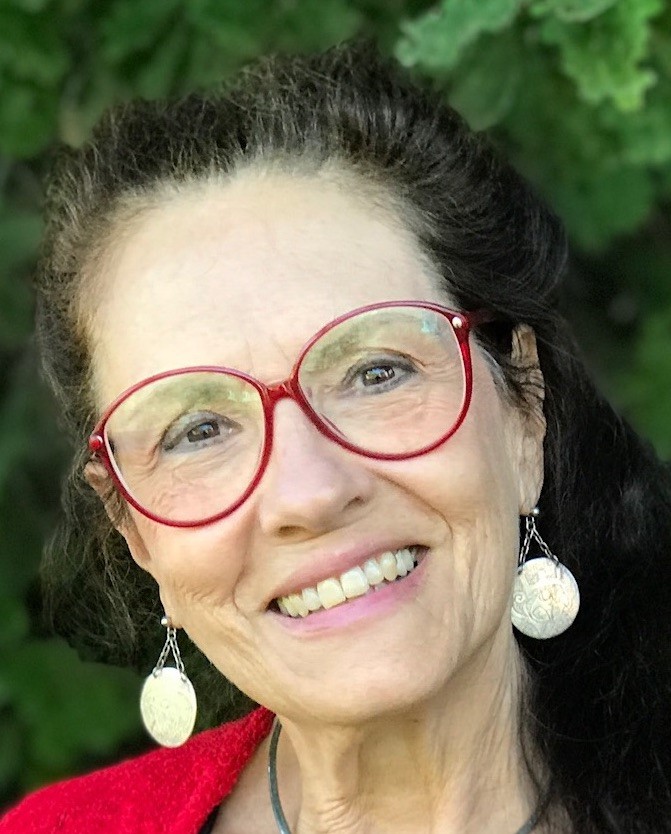 Kylea Taylor: I’m Kylea Taylor. And I commit to telling every appropriate person I meet about ASI. And about—I commit to participating in a women’s video conference group if one gets organized.
Jim Schofield: I’m Jim Schofield, and I commit to keeping ethical considerations in the forefront of our work, the soul collage, and of course with ethics.
Nicola Amadora: I’m Nicola Amadora. And I commit to speak the voice of the feminine unabashedly. And also to walk in integrity in my life and in my work as a teacher.
Sharon Steffensen: I’m Sharon Steffensen, and I commit to champion the yin energy, bringing that forth, and also to bring in the role of developmental trauma in spiritual practices in life.
 Pamela Paradowski: I’m Pamela, and from a professional perspective, I would like to help really organize some of this information in terms of the workshops we’ve talked about. And maybe, because I’m in Iowa part time, work with Rick on this and really get some of the grunt work done.
 Julie Brown Yau: I’m Julie Brown Yau, and I commit to continue to speak from my heart with honesty and integrity, and vulnerability, and strength.
 Kristin Kirk: I’m Kristin Kirk. I just got here for the tail end of all the beautiful sharing that all of you have been doing. So my honest commitment is just of continuing to hear more of what you have all brought forward. And if there’s anything that aligns for me to support in that way, that my commitment is to do that. So thank you all for doing all this.
Carolina Falanga: My name is Carolina Falanga. I also just came in on the tail end of this. And so my commitment is to speaking authentically in all of my relationships, and coming from my heart.
Christina: Hi, I’m Christina. And I am committed to always staying present and always coming from a place of love.
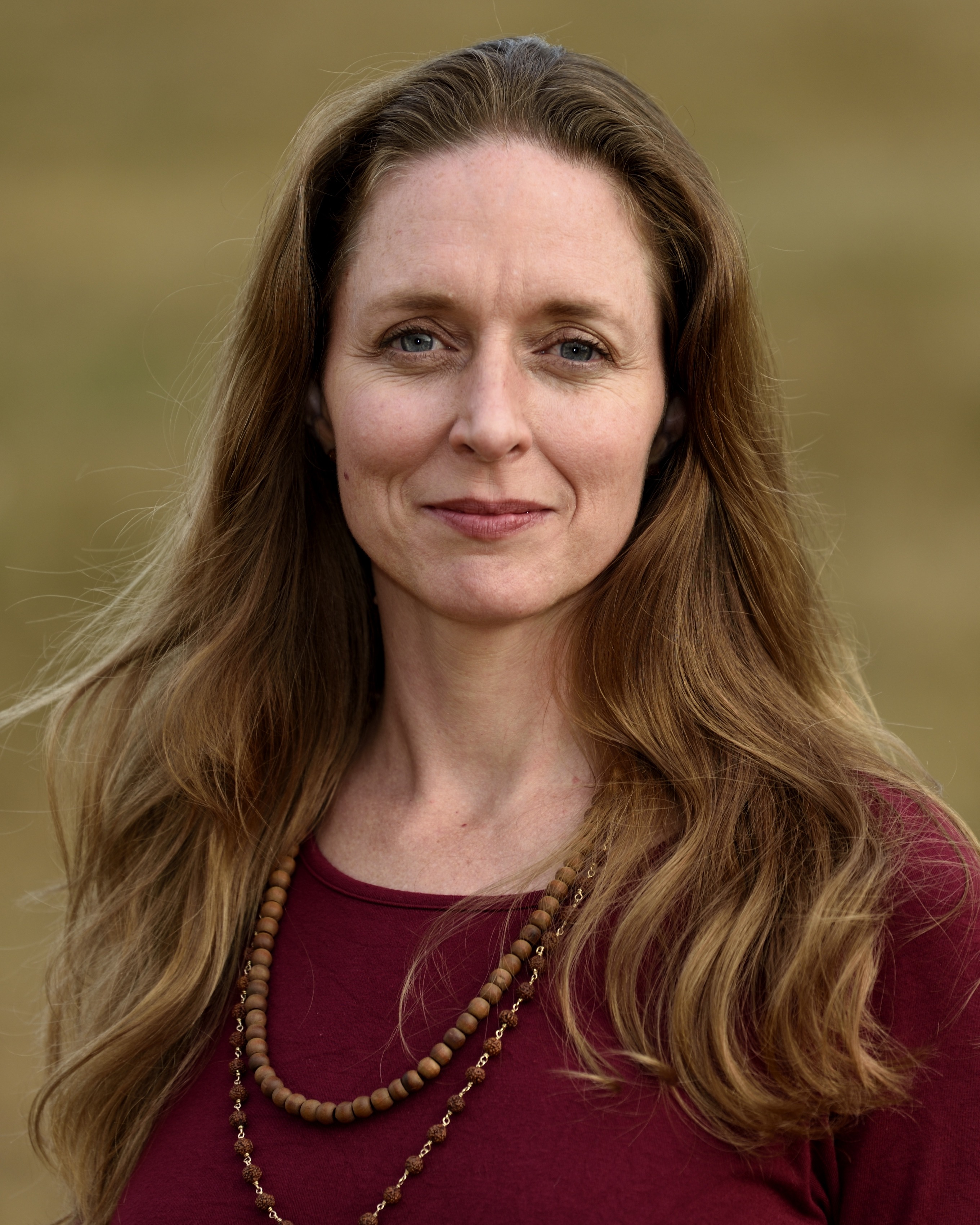 Caverly Morgan: My name is Caverly Morgan. And we spoke quite a bit about power and women, touched a little bit on people of color. But I specifically feel committed in this moment to supporting myself and other white-identified teachers with seeing what work is ours to do, so that as we talk about inclusivity we’re being a space that can actually do that and own, do the work that’s ours to do.
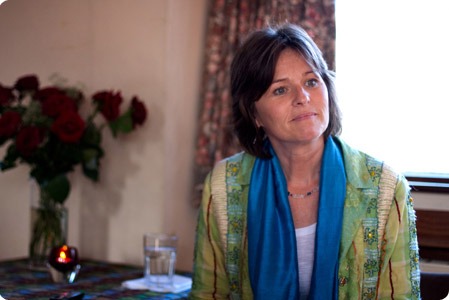 Jac O’Keeffe: Thank you. My name is Jac O’Keefe. And my commitment is totally beautifully personal. I want to take care of my body a bit better, to deepen my understanding of what it is to be human.
Sundari Jensen: My name is Sundari Jensen, and I commit to simplifying and expanding at the same time our training that we have for ethics and guidelines for teachers and leaders, to make it more widely accessible for you—for anyone who wants it.
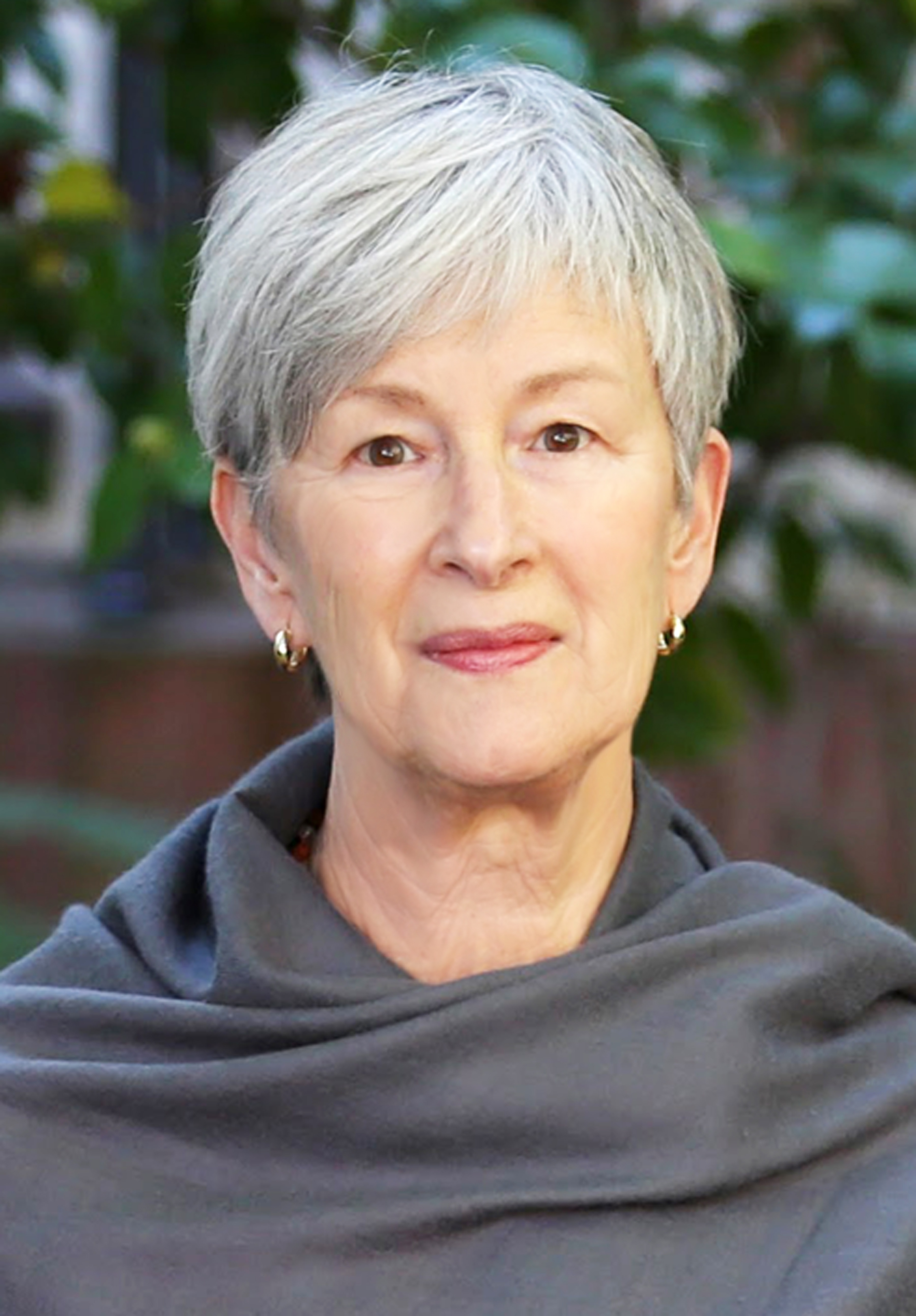 Ellen O’Brian: I’m Ellen O’Brian, and I am committed to keeping the conversation about ethics in our spiritual community a living conversation and also to staying connected to other spiritual teachers and communities so that we can learn from each other.
I’m Loch Kelly, and I commit to the integrity, the vulnerability, and the love to welcome all shadow parts within myself and to help others embody and awaken while including everything.
 Jeffrey Martin: I’m Jeffrey Martin. And I commit to creating some online digital safe spaces for peer-to-peer interactions, both of people that experience things like non-duality in a persistent, ongoing way, and also people who help those that do.
John Parker: I’m John Parker. Deep gratitude for this day and this gathering. I commit to ASI in any way that I can possibly be involved. And I’m open and available for that to take place.
I’m Katherine Bell, and I’m committing to deepening my personal growth work as a teacher and as a human being, and perhaps broadening that as well into other areas that are not as comfortable, since getting comfortable is dangerous.
 Katherine Bell: I’m Katherine Bell, and I’m committing to deepening my personal growth work as a teacher and as a human being, and perhaps broadening that as well into other areas that are not as comfortable, since getting comfortable is dangerous.
Laren: My name is Laren. And I commit to finding the marginalized people without access to teachings and these concepts and ideas and ways of experiencing, and bringing the information to them so they can reconceptualize their pain and their struggle and find a different way of living.
Sean Murphy: I’m Sean Murphy. I commit to continued openness and vulnerability and continuing to learn and clarify.
Richard Stewart: I’m Richard Stewart. And I’ve committed to opening my heart so that I can be more accepting of the wide variety of spiritual experience for everyone that works with me.
 Loch Kelly: I’m Loch Kelly, and I commit to the integrity, the vulnerability, and the love to welcome all shadow parts within myself and to help others embody and awaken while including everything.
Dani Antman: I’m Dani Antman, and I commit to continuing this dialogue with my peers so I’m not so isolated. And to ASI’s work, I’d like to be more involved.
 Bonnie Greenwell: I’m Bonnie Greenwell. I’m committed to getting more involved with ASI also, and to doing whatever I can to support people who are trying to bring more integrity and wisdom in spiritual teaching.
Rick: I’m Rick Archer, and I commit to living up in my personal life to the admonitions of two different spiritual teachers. One was Don Juan Matus, Carlos Castaneda’s teacher, who said, “A warrior has time only for his impeccability.” And the other was Padmasambhava, who said, “Although my awareness may be as vast as the sky, my attention to karma, in other words, action or behavior, is as fine as a grain of barley flour.”
Kumi Ueki: Hi, my name is Kumi. And my commitment is to do my best to serve the divine. And also, I came—I’m from Japan, came from the farthest east—so to be a mediator of the Western and Eastern world belief system.
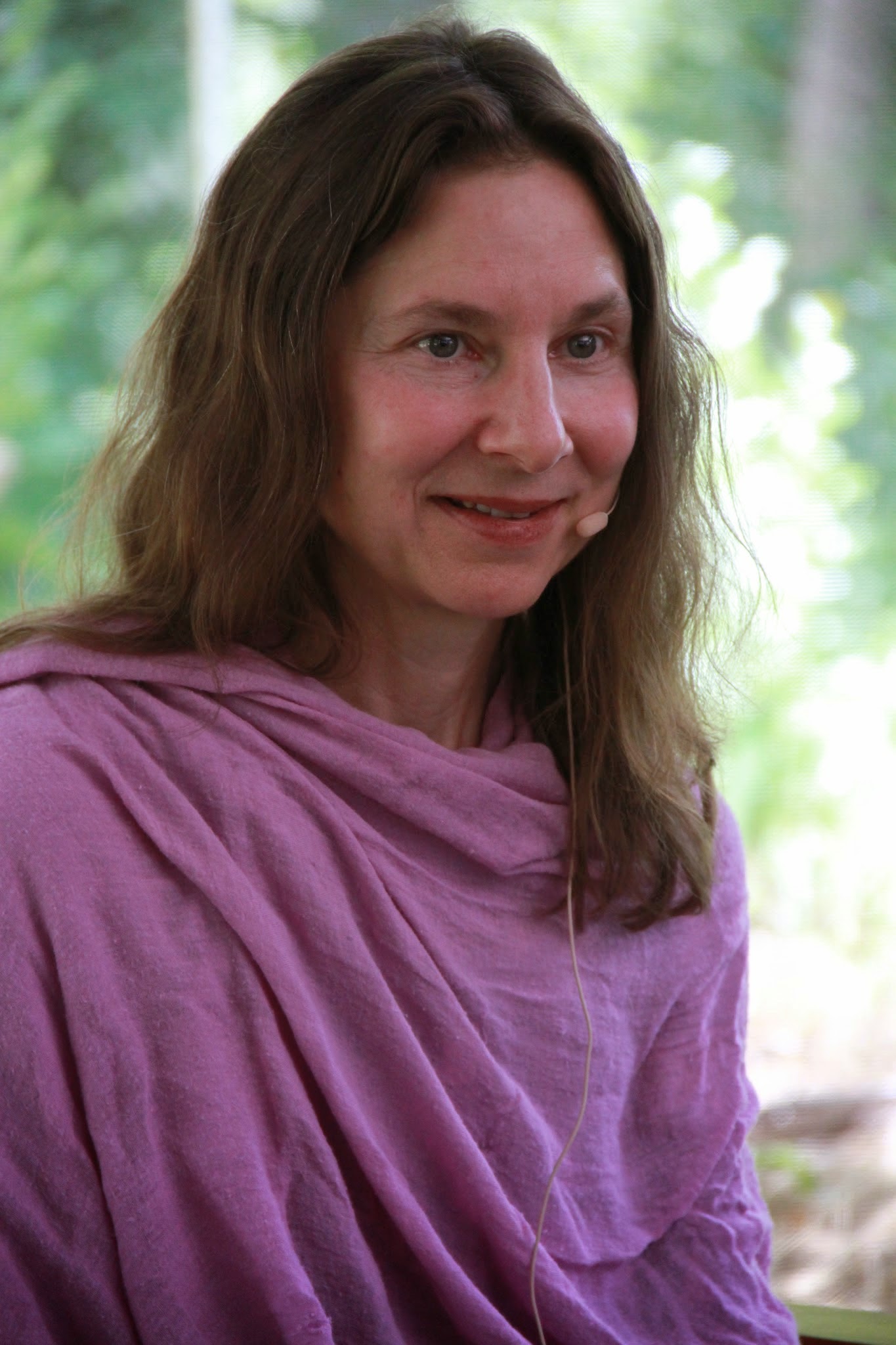 Jeannie Zandi: I’m Jeannie Zandi. And I also have a very personal commitment, which is to make two more peer buddies and deepen in relationship with them.
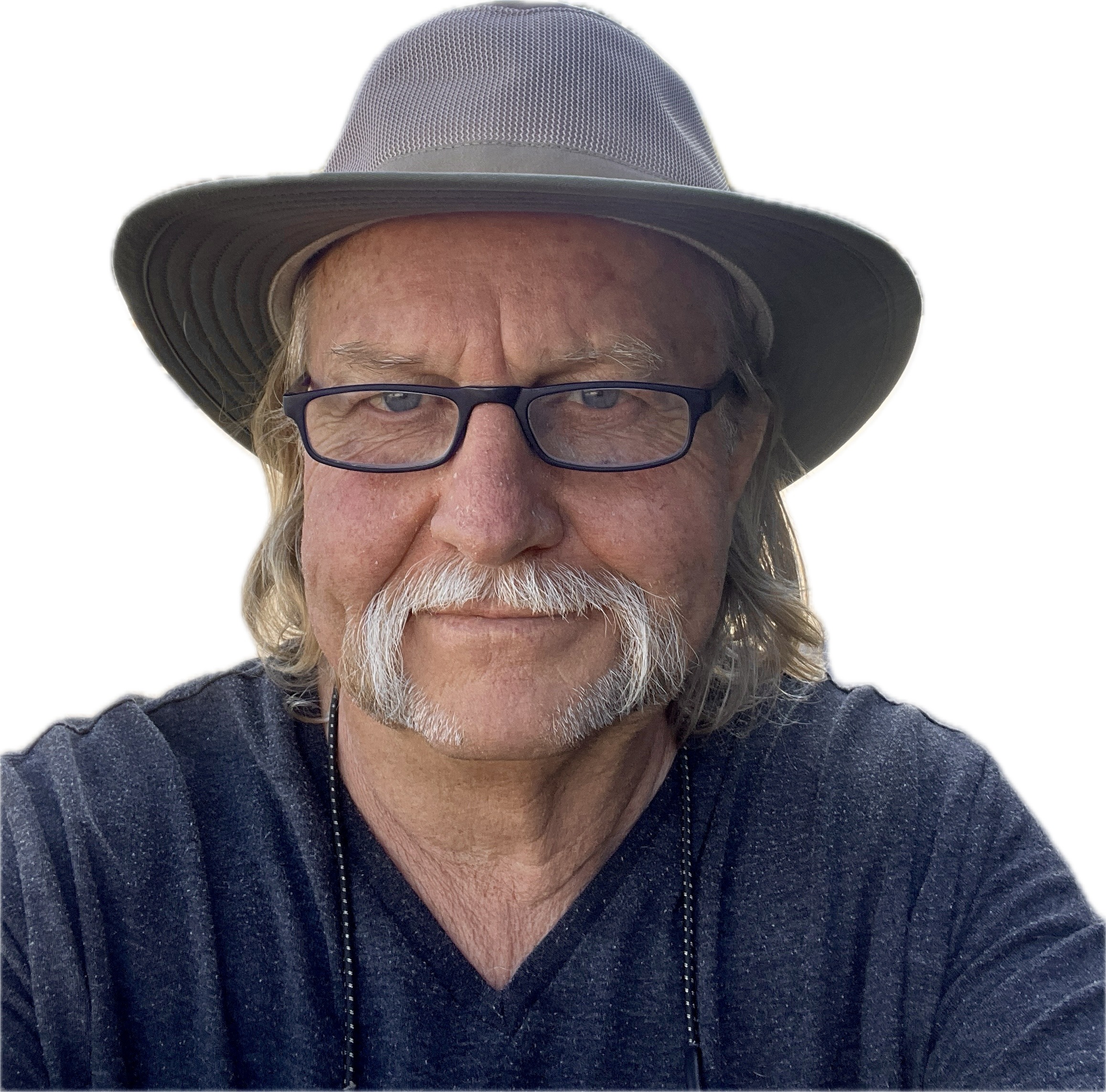 David Doyle: I’m David Doyle. I commit to continuing to bring into my awareness a lot of what we have done here. I didn’t know what to expect, and this has been intimate and pretty incredible. And then also, I’ll try and come up with at least a template, a semi-legal template, for purchasing properties for groups.
Lorraine Taylor: I’m Lorraine Taylor, and I commit to looking into my own heart, my own integrity, my own humanity, and empowering others to do the same.
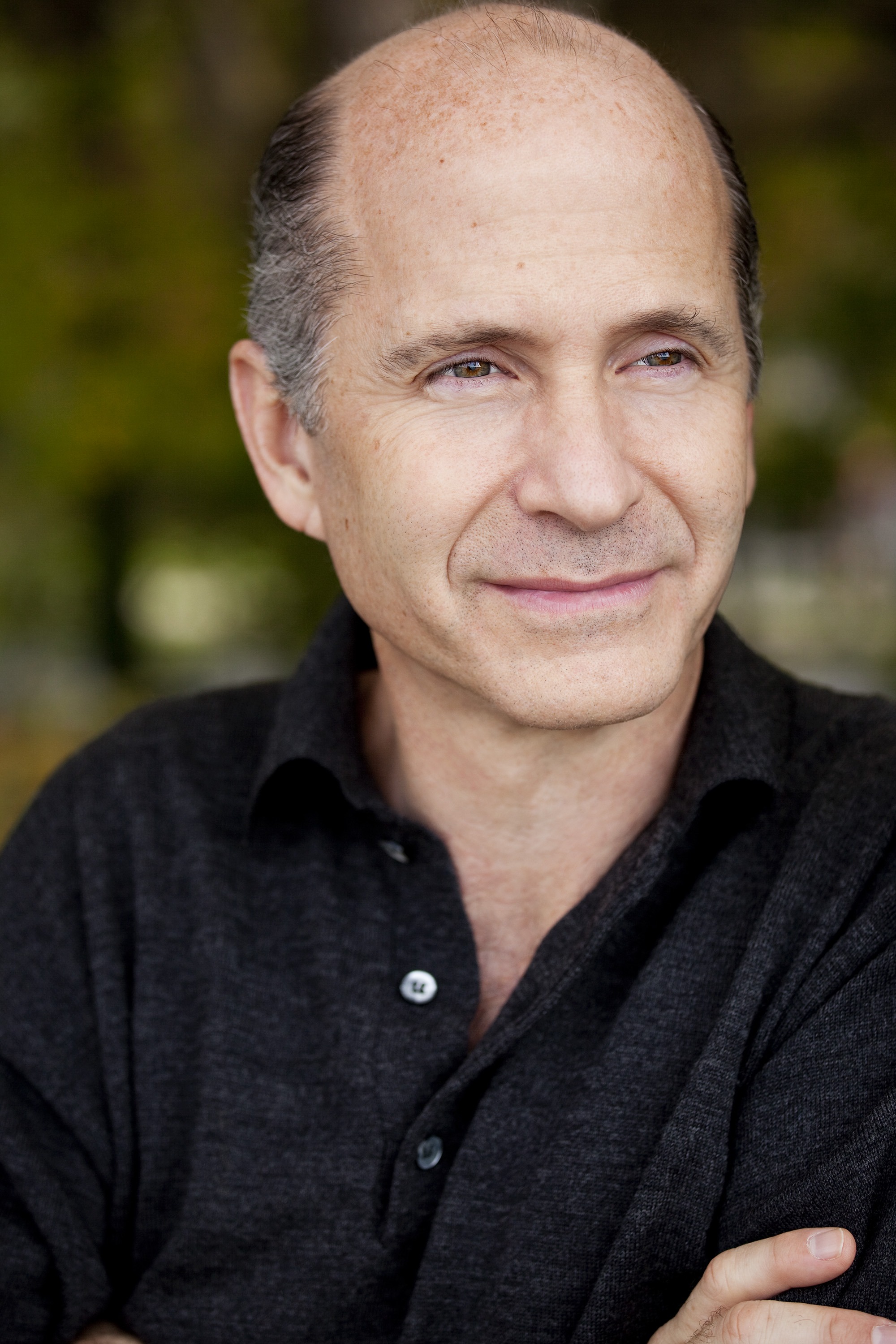 David Ellzey: I’m David Ellzey, and I commit to doing everything in my conscious power and unconscious power to be a place, a location, where all aspects of both humaneness and transcendence can be known to be one, and to be a place for others to know that as well.
Shakti Caterina Maggi: I am Shakti Catarina Maggi. I commit myself to be of service to everybody, loving everybody as embodiments of the Divine.
Susie Adra: I’m Susie Adra, and I commit to transparency, authenticity, and listening to my inner guidance, and speaking my truth no matter what.
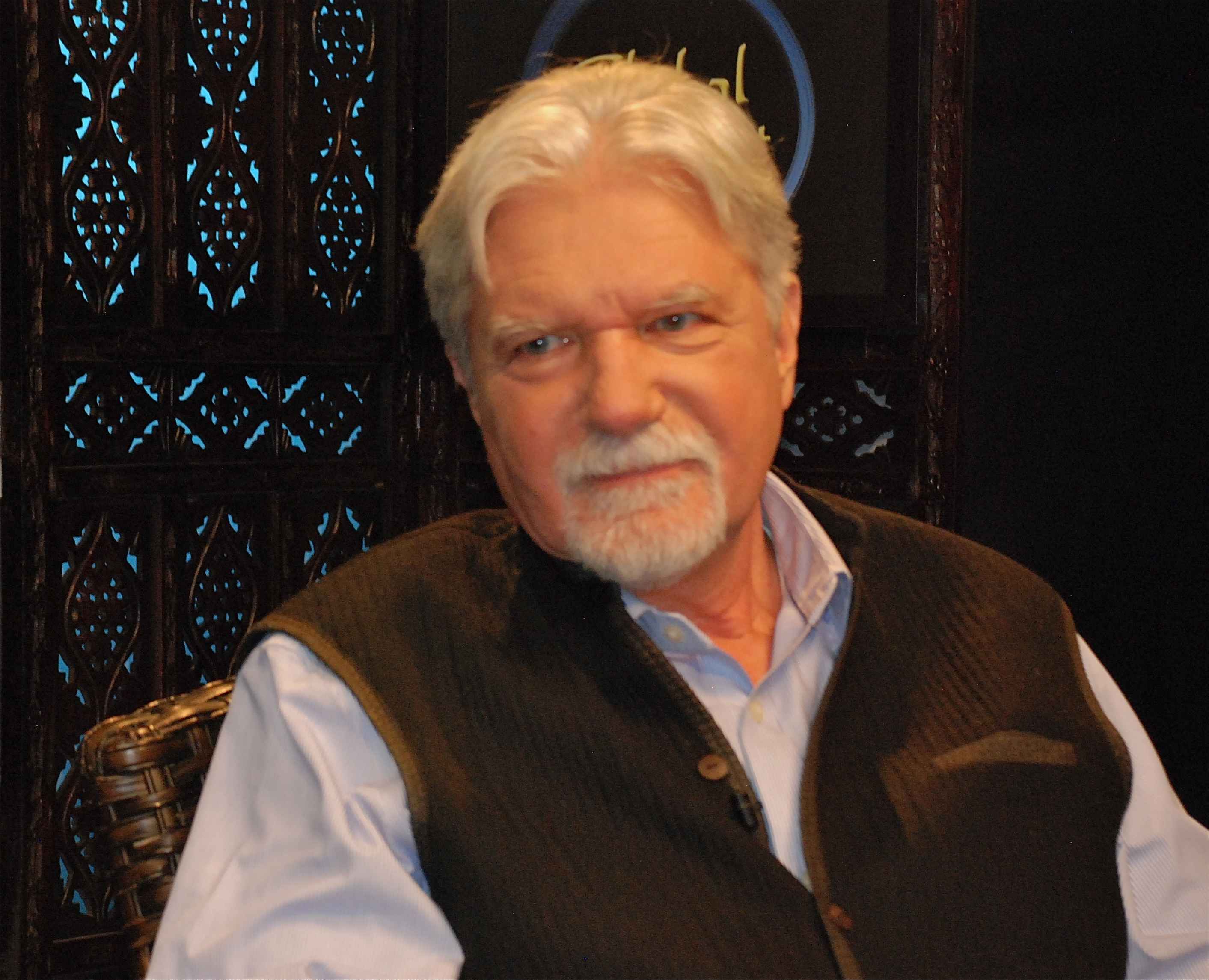 Kabir Helminski: I’m Kabir Helminski. And I commit to explore with the groups that I’m responsible for how to increase trust, honesty, and vulnerability.
Kent Welsh: I’m Kent Welsh, and I commit to supporting the authentic and harmonious relationship and expression of the yang and the yin.
I’m Lissa Rankin, and personally, I recommit to the Hippocratic oath and the concept of first doing no harm, which means for me staying in therapy and being really in integrity around relationship and power dynamics. And professionally, I’m really committed to taking the kind of work that we do in healing and spiritual teaching and bringing it to more marginalized communities, more accessibly, more affordably.
 Lissa Rankin: I’m Lissa Rankin, and personally, I recommit to the Hippocratic oath and the concept of first doing no harm, which means for me staying in therapy and being really in integrity around relationship and power dynamics. And professionally, I’m really committed to taking the kind of work that we do in healing and spiritual teaching and bringing it to more marginalized communities, more accessibly, more affordably.
Maja Apolonia Rode: My name is Maja Apollonia Rode, and I commit to continuing to deepen my capacity to act with integrity, even when it’s scary or challenging, or life-threatening.
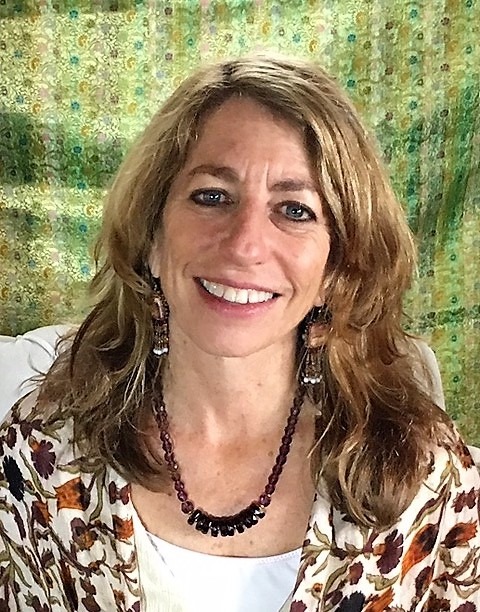 Mirabai Starr: I’m Mirabai Star, and I am committed to lifting up the voices of younger women, spiritual leaders, and helping them find what is uniquely theirs to bring to the table, and especially younger women of color.
Sonya: I’m Sonya Amrita Bibilos. I commit to ever evolving personally and professionally and supporting others to evolve in their authentic, right-aligned way.
 Renata: I’m Renata LeDantec, and I commit to keep exploring what can be done and to keep contributing to ASI.
Closing reflections and next steps
Mariana Caplan: So let’s take a few moments here, both to dedicate to our commitment, and also, if you heard commitments echoed around the room that you also want to commit to, to take a moment to choose those too, to choose what you want to commit to. And because there’s so many people here with great blessing power, I want to ask us to bless and support the voiced and not voiced commitments of each other. And thank you, from ASI, from my heart, thank you. And, like, we’ve met now, so I want to invite us all to just start talking to each other. We may not have right now—we know each other—so to take advantage of these days, and, you know, bask in each other’s light. But also find these peers that we’re looking for and make new friends, and give ourselves a chance to come out of the isolation of many people’s roles of leadership.
Let’s really be together as peers and allies in these days and make new friends and enjoy ourselves and each other as well.
Craig Holliday: A big thank you. I was speaking with these two girls at lunch today. And it was just—I just thought, what a success. This is just how great it is to get everyone in the same room. You know, I’ve been to a lot of conferences and things before where teachers walk around aloof in their own little bubbles. And this is a beautiful thing we’re creating. So let’s keep it up. If you’re not a member of the ASI, please join us. We have all kinds of ongoing meetings and all kinds of ways to support each other. Yeah, so please, please join us. We’re so thankful. Jac, anything?
Jac O’Keeffe: And the ASI is a member organization. I mean, it’s just us, you know, making it up as we go along. When we try this, we’ll try that, and some things work and some things don’t, even though I might be full of steam for it and it falls flat, and we just go and try the next thing. And this worked. And there’s a lot of ideas here that came today. It’s like, we could do that. We could do that. So I don’t know what will actually come to fruition. And I’m really appreciative of the people who said, “I want to do more and support the ASI.” We need help. It’s only peers taking care of peers. So it can be as resourcing as we make it for ourselves. That’s the gig. That’s all. Thank you. Thank you. Thank you. Thank you for giving the time. Thank you. And a special thank you to Mariana, Mariana and BatGap and all the little parts that made it happen. Thank you, folks.
 Apple Podcasts
 Spotify
 YouTube